

Tbilisi for Remote Workers: The Honest Review in 2026
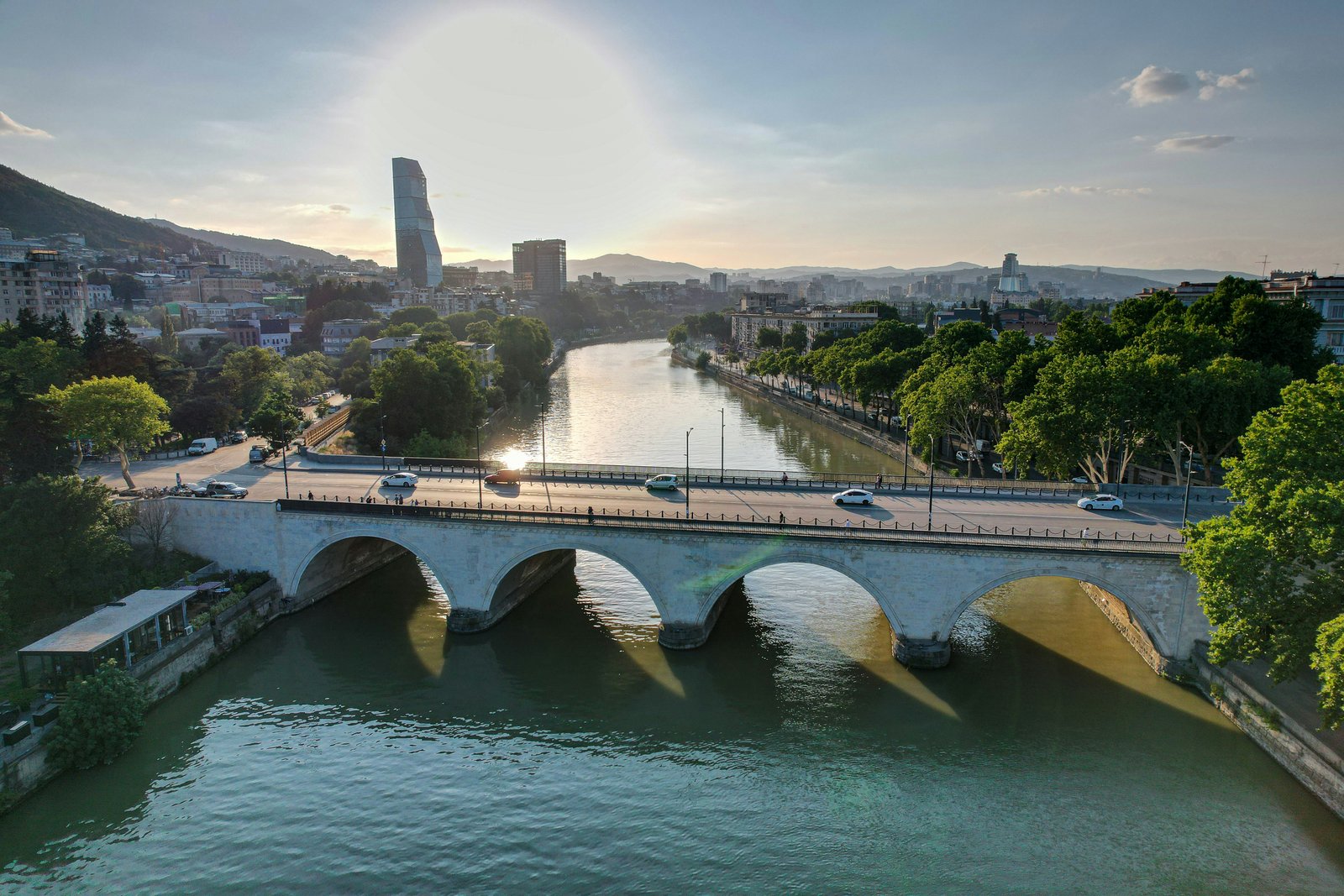
"Is Tbilisi actually good for remote work — or is it just cheap?" It is a fair question. Here is an honest answer from people who work with remote professionals there every day.
Tbilisi has been on the digital nomad radar for a while now. The reasons are obvious — low cost of living, easy entry, and a tax regime that makes most Western freelancers do a double take. But beyond the headline numbers, the question is whether it actually works as a place to live and work. Not for a two-week visit. Long-term.
This is not a hype piece. We are going to cover the good, the things that take adjustment, and the things that are genuinely not ideal — so you can make an informed decision.
The Cost of Living — What You Actually Spend
The numbers that circulate online are largely accurate, which is rare for nomad destinations. A comfortable solo lifestyle in Tbilisi runs between USD 800 and USD 1,200 per month. That covers everything.
| Category | Monthly Cost (USD) | Notes |
|---|---|---|
| Apartment (1BR, central) | USD 400-700 | Vera, Vake, Mtatsminda — furnished, bills not included |
| Apartment (1BR, outside centre) | USD 300-450 | Saburtalo, Isani — still well-connected |
| Groceries | USD 150-250 | Local markets are very cheap; Western imports more expensive |
| Eating out | USD 150-300 | Full Georgian meal with wine: USD 8-12. Western restaurants: USD 15-25 |
| Coworking | USD 80-150 | Monthly membership at Impact Hub, Terminal, or similar |
| Transport | USD 30-60 | Metro + bus. Bolt (Uber equivalent) is very cheap. |
| Health insurance | USD 20-50 | Now mandatory from January 2026 for all foreign visitors |
| Total (comfortable) | USD 800-1,200 | Including socialising and the occasional trip |
For context — a comparable lifestyle in Lisbon runs USD 2,500-3,500/month. In Berlin, USD 3,000-4,500. In London, significantly more. The savings are not theoretical.
Internet and Working Conditions
This is where Tbilisi genuinely surprises people. Internet infrastructure in Georgia is significantly better than the country's reputation suggests.
The coworking scene has matured considerably in the last few years. Impact Hub remains the most established, with reliable internet, meeting rooms, and a steady event calendar. Terminal is quieter and suits focused work. Fabrika — a converted Soviet textile factory — has a more casual atmosphere and a vibrant courtyard that doubles as a social hub in the evenings.
The Neighbourhoods
Where you live in Tbilisi shapes your experience significantly. The city is more varied than most first-timers expect.
Vera and Vake
The sweet spot for most remote workers. Vera is walkable, leafy, and full of cafes and restaurants. Vake is slightly more residential and upmarket — good if you want quiet and green space. Both have good connections to the centre. Apartments here run USD 500-700/month for a decent one-bedroom.
Mtatsminda
The old city — beautiful architecture, cobblestone streets, proximity to Rustaveli Avenue. Atmospheric but some apartments are older and noisier. Good if you want to feel like you are actually in Tbilisi, not in a generic expat bubble.
Saburtalo
More affordable, more residential. Larger Soviet-era apartments at lower prices. Less character, more space. A good option if you are staying longer-term and want value over atmosphere.
Isani and Marjanishvili
Up-and-coming. Increasingly popular with the younger expat crowd. More affordable than Vera, closer to Fabrika. Worth considering if you want to be in the middle of the social scene.
The Things That Take Adjustment
An honest review covers the friction points. Tbilisi has them.
| Factor | Honest verdict |
|---|---|
| Language barrier | Georgian uses a unique script and is genuinely difficult. English is widely spoken by younger people and in central areas, but less so elsewhere. Most day-to-day life is manageable in English. |
| Traffic and driving | Chaotic by European standards. Driving is not recommended for newcomers. Bolt and the metro are the better options. |
| Air quality | Moderate — Tbilisi sits in a valley and can get smoggy in winter and during dry summer periods. Not as bad as many Asian cities but noticeable. |
| Bureaucracy | The Public Service Hall system is genuinely efficient — most things that would take weeks in Europe take hours here. But Georgia has added compliance requirements in 2026 that require more planning than before. |
| Banking for foreigners | More complex than it used to be. TBC and Bank of Georgia have tightened their KYC processes. With the right preparation it is manageable — but it requires preparation. |
| Weather extremes | Hot summers (35°C+) and cold winters (occasionally below 0°C). Spring and autumn are excellent. If you are climate-sensitive, plan accordingly. |
| Nightlife noise | Tbilisi has a genuinely famous nightlife scene. This is a selling point for many and a drawback for others. Central apartments near Rustaveli or Marjanishvili can be noisy on weekends. |
The Expat and Remote Work Community
This is one of Tbilisi's genuine strengths that rarely gets enough credit. The city has a substantial, active, and genuinely international remote work community. There are active Facebook groups, WhatsApp groups, weekly meetups, and a social infrastructure that makes it easy to meet people quickly.
Fabrika functions as an informal social hub — the courtyard has bars, food stalls, and a rotating crowd of creatives, nomads, and locals. It is the kind of place where you end up talking to a UX designer from Berlin and a Georgian entrepreneur at the same table without trying.
The Georgian people are, by the strong consensus of everyone who has lived there, genuinely welcoming. The country has a culture of hospitality — tamada, the Georgian tradition of the toastmaster at a feast, is not just a dinner ritual but a reflection of how the culture approaches guests. This is not a tourism-industry performance. It is how people actually are.
Food, Wine, and Quality of Life
You cannot write about Tbilisi without writing about this. Georgian cuisine is exceptional and criminally underrated outside the region. Khinkali (meat dumplings), khachapuri (cheese-filled bread), badrijani nigvzit (eggplant with walnut paste), mtsvadi (Georgian barbecue) — all of it is excellent and almost absurdly cheap.
Georgian wine deserves particular mention. Georgia is one of the world's oldest wine-producing regions — the 8,000-year-old tradition of fermenting wine in clay amphorae (qvevri) has UNESCO heritage status. A bottle of quality Saperavi from a good producer costs USD 4-6 at a shop. The same bottle in London is USD 30+.
The 2026 Compliance Picture
This section belongs in an honest review because it affects the decision for serious remote workers. Georgia changed its rules in March 2026. The relaxed "just show up and work" era is over.
What this means practically:
None of this makes Tbilisi less worth it. It makes it more deliberate. The people who benefit most from Georgia in 2026 are those who treat it as a proper base — register properly, get the permits, commit to being here — rather than treating it as a tax hack that requires no planning.
The Honest Verdict
Tbilisi in 2026 is an excellent base for remote workers who are willing to do a modest amount of setup work upfront. The cost of living is low, the community is real, the food and wine are extraordinary, and the tax regime — even with the new compliance requirements — remains one of the most favourable in the world for self-employed professionals.
It is not for everyone. If you need the infrastructure of a major Western city, if language barrier and cultural adjustment feel like too much friction, or if you are only planning a short stay — there are easier options. But for a freelancer or remote professional who is serious about building a sustainable long-term base at low cost and low tax, Tbilisi belongs near the top of the list.
Legal Vista has been registering foreign entrepreneurs in Georgia since 2017. We handle Individual Entrepreneur registration, Small Business Status, work permits, and residence permits — everything you need to be properly set up from day one.
WhatsApp / Phone: +995 599 848 487 | Email: info@legal-vista.com
Questions We Get Asked a Lot
Click any question to expand.
Is Tbilisi safe for remote workers?
Yes — Tbilisi has a safety index of 74/100, which is higher than many European capitals. Street crime is low by international standards. Standard city precautions apply at night in less-trafficked areas, but most central neighbourhoods feel very safe day and night. The expat community is large enough that this is well-documented and consistent.
How is the internet speed for video calls and remote work?
Good. Home fibre connections of 100 Mbps cost around USD 20/month. Coworking spaces offer reliable connections suitable for video calls. The main variable is your apartment building — older buildings sometimes have weaker infrastructure. Test the WiFi before signing a lease.
Do I need to speak Georgian to live in Tbilisi?
No. English is widely spoken among younger people and in central neighbourhoods, restaurants, and service industries. You will encounter situations where Georgian or Russian helps — markets, older residential buildings, government offices — but day-to-day life in the central areas is fully manageable in English. Many expats live comfortably in Tbilisi for years without learning Georgian.
What is the tax situation for remote workers in 2026?
Georgia offers a 1% Small Business Status tax for qualifying Individual Entrepreneurs on turnover up to 500,000 GEL per year. From March 2026, a work permit is also required for foreign nationals working in Georgia. The total effective tax rate (1% + 2% pension contribution) is 3% of gross turnover — unchanged by the 2026 reforms. See our full breakdown of what changed in 2026.
What is the best neighbourhood to live in Tbilisi for remote workers?
Vera and Vake are the most consistently recommended for remote workers — walkable, good cafes, central, and quiet enough to be liveable. Mtatsminda is more atmospheric but older stock. Saburtalo offers more space at lower cost. Isani and Marjanishvili are up-and-coming with a younger crowd. The right choice depends on whether you prioritise atmosphere, value, or social scene.